 Skip to content
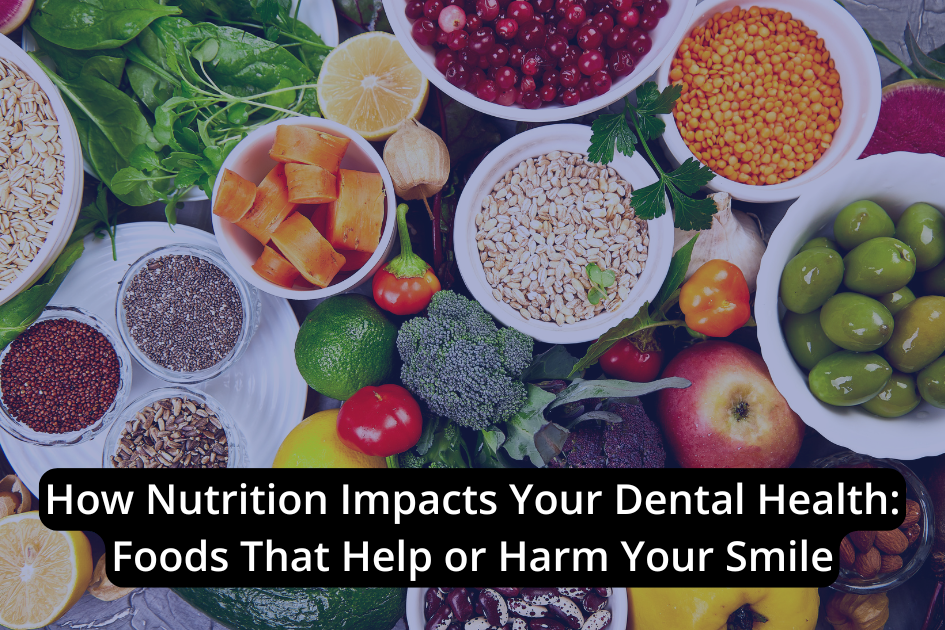
What we eat shapes our smile more than we think. Sugar feeds cavity-causing bacteria, acids wear enamel, and poor snacking habits keep our mouths in a constant acid bath. Yet calcium, phosphorus, vitamin D, and fiber-rich foods help remineralize teeth and boost protective saliva. With a few practical swaps and smarter timing, we can cut risk without losing enjoyment. Let’s pinpoint which foods help, which ones harm, and how to build a mouth-friendly plate next.
The Mouth as a Window to Overall Nutrition
How can a quick look inside the mouth reveal so much about what we eat and how well we nourish our bodies? We assess gums for inflammation that can reflect low vitamin C or poor plaque control, enamel for erosion suggesting acidic diets or reflux, and tongue and mucosa for pallor, ulcers, or glossitis linked to iron, B12, or folate deficits. We note dry mouth from medications or dehydration that raises the risk for disease. Together, we’ll pair findings with practical steps: balanced protein, dairy or calcium-fortified options, leafy greens, whole grains, water, and fluoride exposure. Regular cleanings help us monitor progress.
How Sugar Fuels Cavities and Acid Attacks
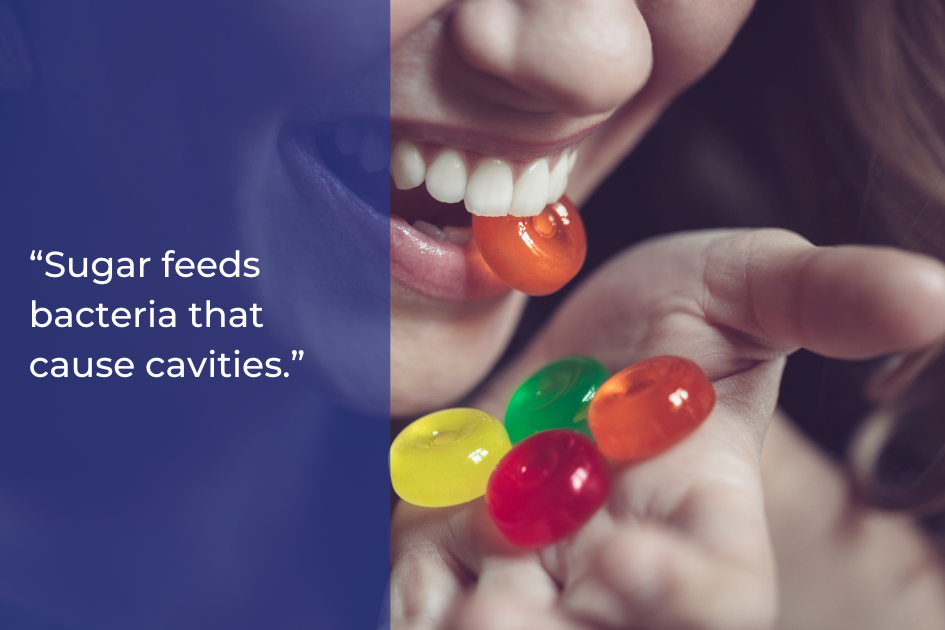
Even a small, frequent sip or bite of sugary foods sets off a chain reaction that weakens enamel. Oral bacteria feast on sugars and release acids within minutes. Those acids drop pH below the safety threshold, pulling minerals, calcium, and phosphate out of enamel. Repeated attacks outpace natural remineralization, creating soft spots that become cavities.
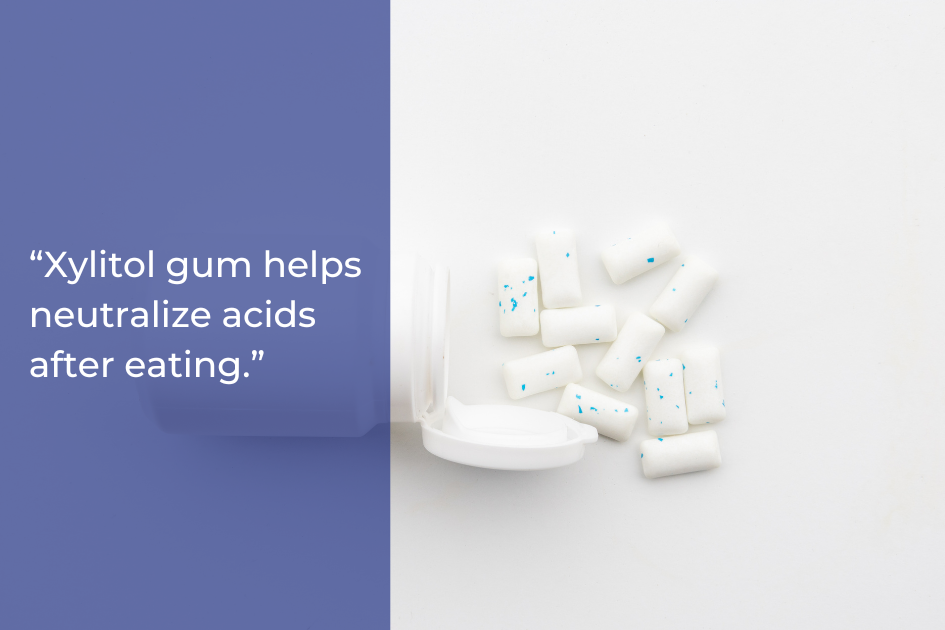
We can lower risk by limiting the frequency of sugary snacks, choosing whole foods over sticky candies or sweet drinks, and pairing treats with meals when saliva is highest. Rinse with water afterward, chew xylitol gum to stimulate saliva, and brush twice daily with fluoride toothpaste to reinforce enamel.
Acidic Foods and Drinks: Erosion Risks to Enamel
While sugar feeds decay-causing bacteria, acidity directly dissolves enamel, putting our teeth at risk even without sweets. Acidic drinks and foods (sodas, energy drinks, citrus, vinegars, wine) lower oral pH below the safe zone, softening enamel and exposing dentin. We can limit harm with smart habits and timing.
- Choose water or milk between meals; reserve acidic items for mealtimes.
- Don’t brush immediately after acids; wait 30–60 minutes.
- Rinse with water, then chew xylitol gum to stimulate saliva.
- Use a straw for acidic beverages; avoid sipping over hours.
- Pick low-acid alternatives and check labels for citric/phosphoric acid.
The Role of Calcium, Phosphorus, and Vitamin D in Strong Teeth
Because teeth are living mineralized tissues, they depend on calcium, phosphorus, and vitamin D to build and maintain strong enamel and dentin. Together, calcium and phosphorus form hydroxyapatite crystals that harden teeth, while vitamin D helps us absorb calcium and direct it to oral tissues. We recommend calcium sources like dairy, fortified alternatives, tofu, and leafy greens; phosphorus from meats, beans, nuts, and seeds; and vitamin D from safe sun, fatty fish, eggs, or fortified foods. Consistency matters. Pair nutrients within meals, stay hydrated, and limit frequent snacking. If intake’s uncertain, ask us about testing vitamin D and personalized guidance.
Fiber-Rich Foods and Saliva: Nature’s Cavity Fighters
When we chew crisp, fiber-rich foods like apples, carrots, leafy greens, and whole grains, we stimulate a surge of saliva that naturally buffers acids, bathes teeth in calcium and phosphate, and helps wash away food particles. Saliva also carries antimicrobial proteins that reduce cavity-causing bacteria. Let’s put fiber to work between meals and with balanced plates.
- Choose whole fruits over juice to engage chewing
- Add raw veggies to snacks for mechanical plaque disruption
- Pick whole grains to extend chewing and saliva flow
- Finish meals with a fibrous “crunchy closer”
- Pair fiber with protein to stabilize blood sugar and reduce snacking
Hydration and Fluoride: Protecting Enamel Daily
Even simple choices like what we drink can strengthen enamel day in and day out. Water is our best daily tool. It rinses food acids, supports saliva, and delivers fluoride when we choose fluoridated tap water. Fluoride remineralizes early enamel soft spots, making teeth more resistant to future acid attacks. If we prefer bottled water, we should check labels; many lack fluoride. Between brushing, sipping plain water helps keep the mouth neutral. For added protection, use a pea‑sized fluoride toothpaste twice daily and avoid rinsing immediately after brushing. Ask us about prescription‑strength fluoride if you’re cavity‑prone, have dry mouth, or wear orthodontic appliances.
Snacking Habits, Meal Timing, and Ph Balance
Although what we eat matters, how often and when we eat may matter more for cavity risk. Each snack triggers a 20–30 minute acid window where plaque lowers pH, softening enamel. If we graze all day, pH stays low, and risk rises. Let’s bunch foods into meals, limit between-meal exposures, and choose tooth-friendly options.
- Keep snacks to once, not sips or bites all afternoon
- Pair carbs with protein or dairy to buffer acids
- Rinse with water after eating; wait 30 minutes to brush
- Choose crunchy veggies or cheese over sticky sweets
- Finish meals with xylitol gum to raise saliva flow
Hidden Sugars and Labels: What to Watch For
We’ve talked about timing and frequency; now let’s cut cavity risk further by spotting hidden sugars on labels. We’ll scan “Added Sugars” first; aim for 0–5 grams per serving. Then check ingredients: sugar hides as sucrose, fructose, high-fructose corn syrup, cane juice, dextrose, maltose, honey, syrups, molasses, agave, fruit concentrate.
Watch claims like “organic,” “natural,” or “no refined sugar”, they still feed cavity-causing bacteria. Be cautious with granola, yogurt, sports drinks, flavored waters, nut butters, and sauces. Note serving sizes; small packages may contain multiple servings. When in doubt, choose unsweetened versions and rinse or brush after sweet choices.
Smile-Friendly Meal and Snack Ideas
Because what we eat shapes our oral microbiome and enamel strength, let’s build meals and snacks that stabilize pH, limit fermentable sugars, and deliver tooth-fortifying nutrients. We’ll pair fiber, protein, and healthy fats to slow sugar absorption, add calcium and phosphorus for remineralization, and include crunchy produce to stimulate saliva. Hydrate with water, not acids.
- Plain yogurt with chia, walnuts, and cinnamon
- Veggie omelet with spinach, mushrooms, and cheese
- Apple slices with unsweetened peanut butter
- Tuna salad lettuce wraps with cucumber
- Cheese cubes, cherry tomatoes, and olives
Practical tip: eat sweets with meals, not between, and finish with water or xylitol gum.
Nutrition Tips for Kids, Teens, and Adults
From the first baby tooth to the golden years, smart nutrition protects enamel, supports gum health, and steadies mouth pH. For kids, we pair meals with milk or water, limit juice to mealtimes, and offer crisp fruits, cheese, yogurt, and nut butters for calcium, phosphates, and protein. For teens, we curb frequent sipping of sports drinks and sodas, choose fluoride water, and aim for protein-rich snacks after activities. For adults, we focus on fiber-rich produce, lean proteins, dairy or fortified alternatives, and omega-3s for gums. Everyone benefits from rinsing after sweets, sugar-free gum with xylitol, and routine dental visits.
Conclusion
Let’s make our plates work for our smiles. Diet change is powerful: studies show kids who cut sugary drinks by just one serving a day reduce cavity risk by about 30%. We can prioritize calcium, phosphorus, and vitamin D, choose fiber-rich produce, and time snacks to protect pH. We’ll check labels for hidden sugars, sip water, and finish meals with cheese or crunchy veggies. Small, consistent choices add up, and we’re here to help tailor a plan that fits your life.
At Bulverde North Family Dental in Spring Branch, TX, we’re committed to guiding your family toward better oral health through prevention-focused nutrition and personalized care. Ready to get started? Book a nutrition-focused dental consult today or message us with your goals, and we’ll create a personalized plan for you or your child.

