
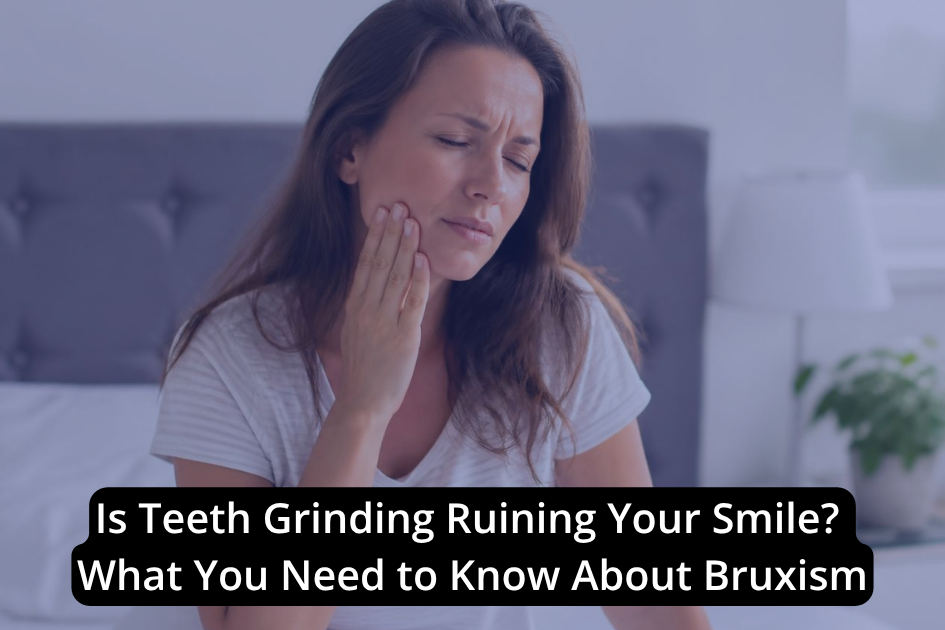
Most people who grind their teeth have no idea they are doing it. Bruxism is one of those conditions that quietly does damage in the background, often for years, before a patient notices something is wrong. If you have been waking up with a sore jaw, dull headaches, or teeth that feel increasingly sensitive, it may be time to take a closer look at what is happening while you sleep.
What Is Bruxism?
Bruxism is the involuntary grinding, clenching, or gnashing of teeth. It can happen during sleep, which is the most common form, or during waking hours when a person is stressed or concentrating. Many people experience it occasionally, but chronic bruxism is a different story. Left unaddressed, it can cause serious and costly damage to your teeth, jaw, and surrounding structures.
What Causes Teeth Grinding?
Stress and anxiety are the most common triggers. When the body is under pressure, the jaw muscles often tighten as a response, and grinding can follow. But stress is not the only cause. Misaligned teeth or an improper bite can create discomfort that leads to grinding. Lifestyle factors like excessive caffeine or alcohol consumption can make it worse. Certain medications, particularly antidepressants, have also been linked to bruxism. Sleep disorders, including sleep apnea, are another contributing factor that often goes unrecognized. In some cases, it simply runs in the family.
Signs and Symptoms You Might Be Grinding Your Teeth
Because bruxism often happens during sleep, many people rely on someone else to notice it first. A partner hearing grinding sounds at night is one of the clearest signs. Other symptoms include:
- Waking up with jaw soreness, headaches, or ear pain
- Teeth that look worn down, flattened, or chipped
- Increased tooth sensitivity to hot, cold, or pressure
- Tight or tired jaw muscles throughout the day
- Clicking or popping when opening and closing the mouth
- Indentations along the side of the tongue
- Unexplained gum recession or increased tooth mobility
If several of these sound familiar, it is worth bringing up at your next dental visit.
How Bruxism Damages Your Teeth Over Time

The damage bruxism causes is cumulative, which is part of what makes it so dangerous. Over time, consistent grinding pressure leads to:
- Enamel erosion – the protective outer layer of the tooth wears away, increasing sensitivity and the risk of decay
- Cracks and fractures – excessive force can split or chip teeth, often requiring crowns or more extensive repair
- Damage to existing dental work – veneers, crowns, and fillings are all vulnerable to the pressure of grinding
- Jaw strain and TMJ disorder – the joints and muscles that control jaw movement can become inflamed and painful over time
The longer bruxism goes untreated, the more extensive and expensive the repairs tend to be.
How Is Bruxism Diagnosed?
During a routine exam, Dr. Greg Frei can often spot the signs of bruxism before a patient is even aware of it. Worn enamel, flattened tooth surfaces, and stress fractures are all visible indicators. He will also ask about your sleep patterns, stress levels, and any jaw discomfort you have been experiencing. In some cases, imaging such as X-rays may be used to assess damage or bite misalignment. If sleep apnea is suspected as a contributing factor, a referral for a sleep study may be recommended. This is one of many reasons why keeping up with regular dental exams matters.
Treatment Options for Teeth Grinding
There is no single fix for bruxism, but there are several effective approaches depending on the severity and underlying cause:
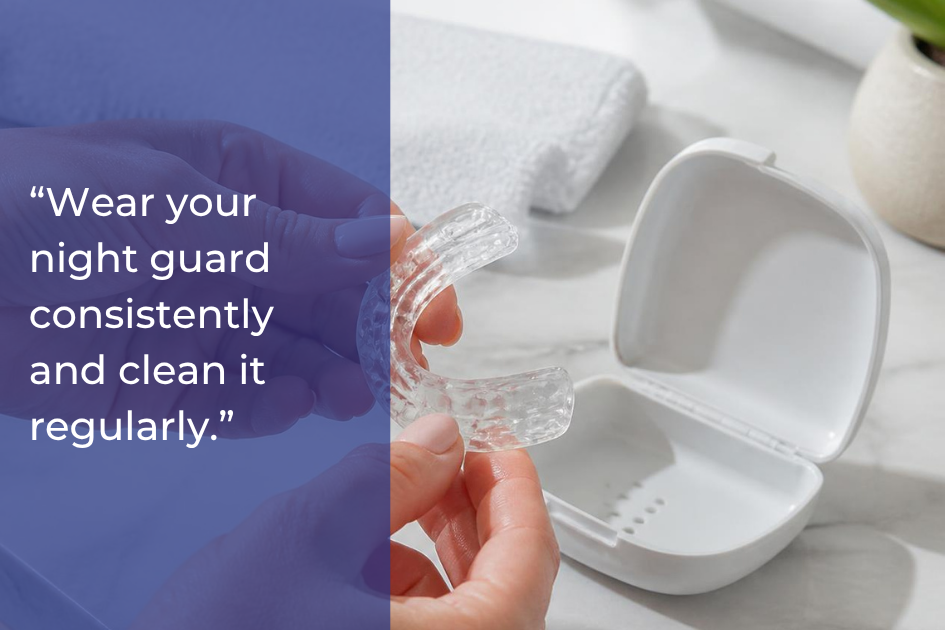
- Custom night guards – a professionally fitted night guard is the most common and effective first line of treatment. It creates a barrier between the teeth during sleep, absorbing the pressure of grinding and preventing further damage. Store-bought versions are not the same and rarely provide adequate protection.
- Stress management – since stress is a primary trigger, techniques like exercise, meditation, or therapy can make a real difference in reducing grinding frequency.
- Dental adjustments – if a misaligned bite is contributing to the problem, corrective treatment may be recommended.
- Repairing existing damage – crowns, tooth-colored fillings, and veneers can restore teeth that have already been worn or fractured by grinding.
- Medication – in some cases, muscle relaxants or other medications may be prescribed short-term to relieve jaw tension.
How to Care for Your Teeth If You Grind
If you have been diagnosed with bruxism, daily habits matter. Wear your night guard consistently and clean it regularly according to your dentist’s instructions. Brush twice daily and floss to keep the teeth and gums healthy even under the added stress of grinding. Avoid hard foods that put extra pressure on already-strained teeth. Cut back on caffeine, especially later in the day, as it can increase muscle tension. And if your symptoms change or worsen, let Dr. Frei know at your next visit so adjustments can be made.
Why Address Bruxism Sooner Rather Than Later
The case for acting early comes down to four things:
- Prevents tooth damage – catching bruxism before the enamel is significantly eroded keeps your natural teeth intact longer
- Reduces pain – treating the cause addresses the headaches, jaw soreness, and ear pain that often come with it
- Saves money – a night guard now costs far less than crowns, veneers, or implants later
- Improves sleep – managing bruxism often leads to better rest and improved daily comfort
How Bulverde North Family Dental Can Help
Dr. Greg Frei and the team at Bulverde North Family Dental have extensive experience identifying and treating bruxism in patients across Spring Branch, Bulverde, Canyon Lake, and Timberwood Park. Custom-fitted night guards are crafted for comfort and long-term protection, and any existing damage from grinding can be addressed with the same care and quality the practice has delivered for over 25 years. The focus is always on treating the whole picture, not just the symptoms.
Don’t Ignore the Grind
If you have been waking up with jaw pain, noticing worn or sensitive teeth, or suspecting that grinding may be affecting your sleep, do not wait for the damage to get worse. Schedule an exam with Dr. Frei at Bulverde North Family Dental by visiting the website to book your appointment today.

