
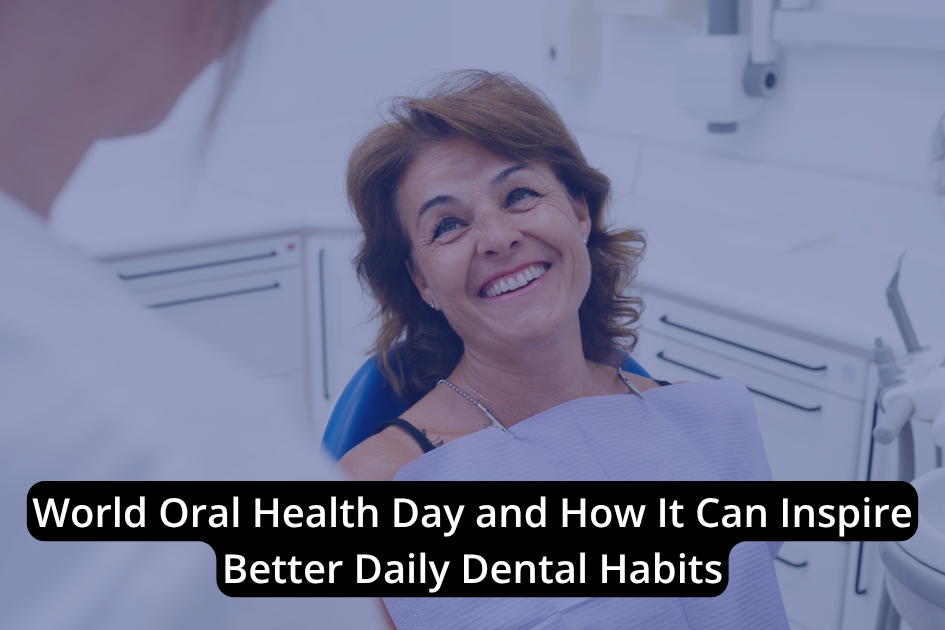
If we ignored our mouths any longer, we’d have to budget for tooth trouble as a monthly bill. World Oral Health Day gives us a practical pause to check whether we’re brushing effectively, flossing daily, and choosing foods that support healthy teeth and gums. Since prevention works best at the community level, we can turn small, repeatable habits into lower risk over time, but which changes matter most for families like ours?
What Is World Oral Health Day?
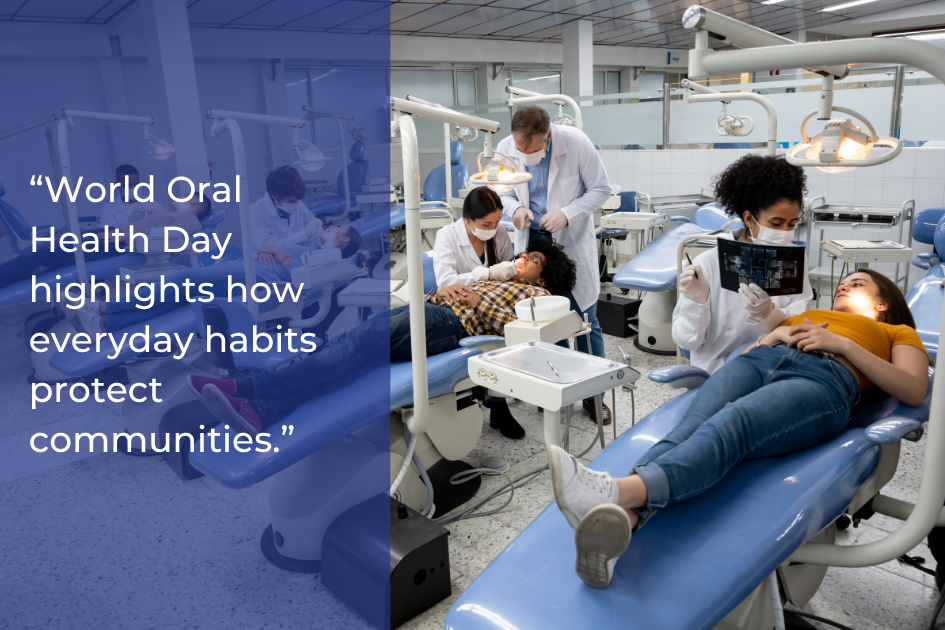
Since oral disease is largely preventable, World Oral Health Day highlights how everyday habits and regular care can protect entire communities. It’s an annual awareness event organized by the FDI World Dental Federation to unite clinicians, educators, policymakers, and families around better oral health.
World Oral Health Day supports global initiatives that share evidence-based messages on prevention, early detection, and access to care. Campaigns amplify practical guidance, promote regular dental visits, and encourage healthier environments where children and adults can maintain strong teeth and gums. When communities hear consistent, science-backed information, they’re more likely to seek timely care and support local policies that reduce risk factors. Through community outreach, such as school programs and public education awareness efforts, help close gaps in knowledge and improve population health outcomes.
Why Daily Oral Health Habits Matter
World Oral Health Day reminds us that prevention starts at home, and our everyday choices add up over time. Daily oral hygiene lowers cavity and gum disease risk, and that matters beyond the mouth. Research shows health connections between gum inflammation and systemic conditions like heart disease and diabetes, so small routines can support whole-body wellness across our community. Preventive strategies also save money and stress because treating advanced disease costs more than preventing it. When we focus on habit formation, we make healthy actions automatic, and we help kids carry them for life. Let’s choose progress today:
- Protect a child’s future smile before problems start.
- Keep our energy up by reducing chronic inflammation triggers.
- Avoid avoidable pain, appointments, and expenses later.
The Essential Daily Dental Habits Everyone Should Follow
Brushing Properly
Make brushing count by doing it twice a day with fluoride toothpaste, using a consistent two-minute technique that clears plaque along the gumline and between teeth before it can drive cavities or gum disease. Our toothbrush technique matters: we’ll use effective angles, about 45 degrees toward the gumline, plus gentle, small strokes on every surface, including behind front teeth and along molars. This preventive routine protects communities by reducing avoidable decay, pain, missed school, and costly treatment.
- We’ll set a timer so two minutes doesn’t become 30 seconds.
- We’ll replace our toothbrush regularly, especially when bristles splay, so cleaning stays effective.
- We’ll keep pressure light to avoid irritation and enamel wear.
Flossing Daily
Even if we brush carefully, plaque and food particles still collect in the tight spaces between teeth where bristles can’t reach. That’s why we encourage flossing daily as a core dental hygiene habit for every age group. By disrupting plaque between teeth and along the gumline, we lower the risk of cavities and help prevent gum disease before it starts.
For best results, we’ll use gentle, consistent flossing techniques: slide the floss between teeth, curve it into a “C” against one tooth, and move it up and down to clean the side, then repeat on the neighboring tooth. We shouldn’t snap floss into gums. If regular floss is difficult, picks or interdental brushes can help us stay consistent. Aim for once daily, preferably at night.
Drinking Water and Maintaining Saliva Flow
After we clean between our teeth with floss, we can support that work all day by drinking water and keeping saliva flowing. Water helps wash away bacteria and food debris, and its hydration benefits extend beyond comfort; it also protects enamel between meals. Saliva production matters because saliva helps neutralize acids that drive cavities, especially after snacks, sports drinks, or coffee. When our mouths feel dry, our risk rises, so we can build simple habits that work for kids, adults, and older neighbors alike.
- Sip plain water often to feel fresher and more confident.
- Choose water with meals to protect our families’ smiles.
- Use sugar-free gum to boost saliva production when we can’t brush.
Healthy Diet Choices for Better Oral Health
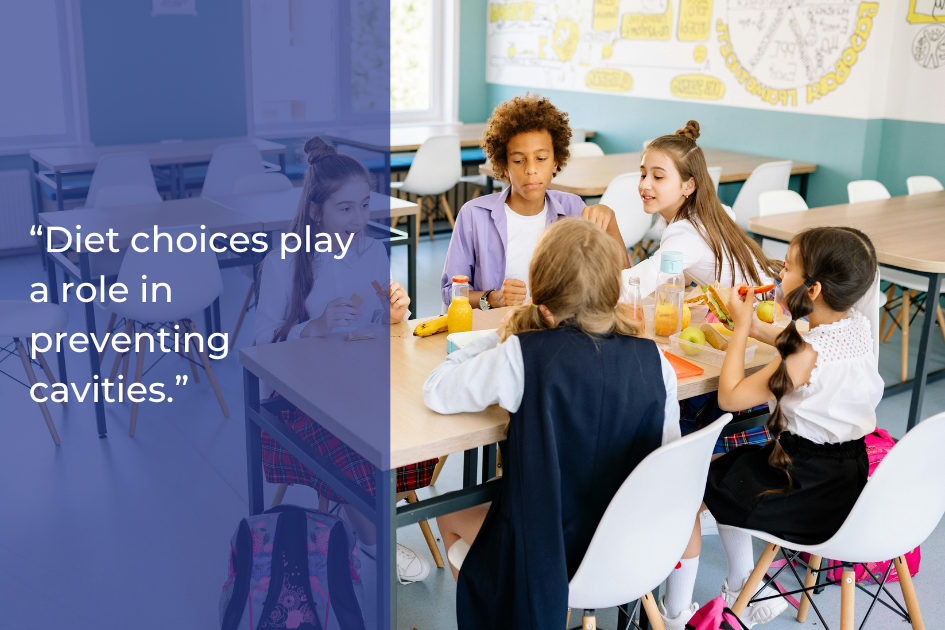
Because what we eat fuels the bacteria in our mouths, our daily diet choices play a measurable role in preventing cavities and protecting enamel across the whole family. We can cut risk by limiting sugary drinks and frequent sweets, since steady sugar exposure drives acid attacks that weaken enamel. For better dental nutrition, let’s build meals around calcium sources and phosphorus-rich options like milk, yogurt, cheese, leafy greens, beans, eggs, fish, and nuts, which support remineralization and enamel strength. We can also swap sticky treats for crunchy snacks such as apples, carrots, and celery; their texture helps sweep plaque and stimulates saliva. When we pair these choices with balanced, fiber-rich meals, we reduce snacking frequency and protect teeth day after day.
Preventive Dental Care and Regular Checkups
Smart diet choices lower daily acid attacks, but we still need preventive dental care and regular checkups to control plaque and catch problems early. Professional cleanings remove hardened tartar that brushing can’t remove, lowering inflammation and reducing the risk of gum disease across the community. At visits, we screen for cavities, early periodontal changes, and other oral health issues when they’re simpler and cheaper to treat. We can also use evidence-based preventive dentistry tools like fluoride varnish and sealants to strengthen enamel and block decay. When we pair this with consistent oral hygiene at home, we protect not just smiles but comfort, confidence, and overall health.
- Relief: no more surprise toothaches.
- Reassurance: clear answers and a plan.
- Pride: a healthier mouth that lasts.
Helping Children Build Strong Dental Habits
When we start dental visits early and keep them consistent, we normalize oral healthcare and catch small issues before they turn into pain or infection. For children, that steady schedule also builds trust and lowers anxiety, which supports lifelong prevention.
At home, we can help you turn brushing and flossing into daily routines, same times, same steps, and age-appropriate supervision. Kids learn fastest when adults model what we want to see, so we brush alongside them and talk about why we do it. To keep motivation high, we can use dental games (timers, charts, “tooth detectives”) and positive reinforcement like specific praise for effort, not perfection. These small, consistent practices protect the whole family’s oral health and reduce avoidable decay across our communities.
Small Changes That Can Make a Big Difference
Even if our routines already feel solid, a few small tweaks can lower cavity risk and gum inflammation across the whole household. We don’t need perfection; we need consistency that works for busy lives, backed by dental education and simple habit tracking.
- Switch to an electric toothbrush to remove more plaque with less effort, so we feel confident at every smile.
- Use alcohol-free mouthwash to support a healthy oral microbiome without burning, making daily care easier to stick with.
- Set reminders for brushing and flossing, and replace brush heads on schedule, so we don’t unknowingly slip into worn-out, less effective cleaning.
These micro-changes scale across communities: fewer missed cleanings, fewer emergencies, and calmer, healthier mornings for everyone.
How World Oral Health Day Can Inspire Families
Small habit upgrades add up, and World Oral Health Day gives our families a clear annual cue to check in on what’s working and what’s slipping. We can turn that cue into family engagement by doing a quick home audit: twice-daily fluoride brushing, nightly flossing, and fewer sugary snacks between meals. Then we set one or two measurable goals, like replacing worn brushes, adding a timer, or keeping water as the default drink.
Next, we schedule dental checkups together, because preventive visits catch problems early and reinforce dental education for every age group. When kids see adults follow through, routines stick longer. We can also celebrate progress, streaks, clean checkups, or fewer cavities, to sustain long-term healthy habits year-round.
Conclusion
World Oral Health Day reminds us that we’re all tending the same garden: our mouths. When we brush with care, floss daily, choose less sugar, and drink more water, we pull weeds before they spread. Evidence shows these small, consistent steps lower cavities and gum disease across communities. When we pair strong home routines with regular dental checkups and professional guidance, we can catch problems early and protect our smiles for the long run. Let’s leave today committed so our families grow healthier together.
Ready to take the next step? Schedule your next dental checkup with Bulverde North Family Dental in Spring Branch, TX, restock your floss and fluoride toothpaste, and start building healthier habits for you and your family today.

